Reading the Rain | Santa Cruz Mountains Real Estate
What Long-Term Rainfall Data Reveals About Timing the Market in the San Lorenzo Valley
By MaryBeth McLaughlin
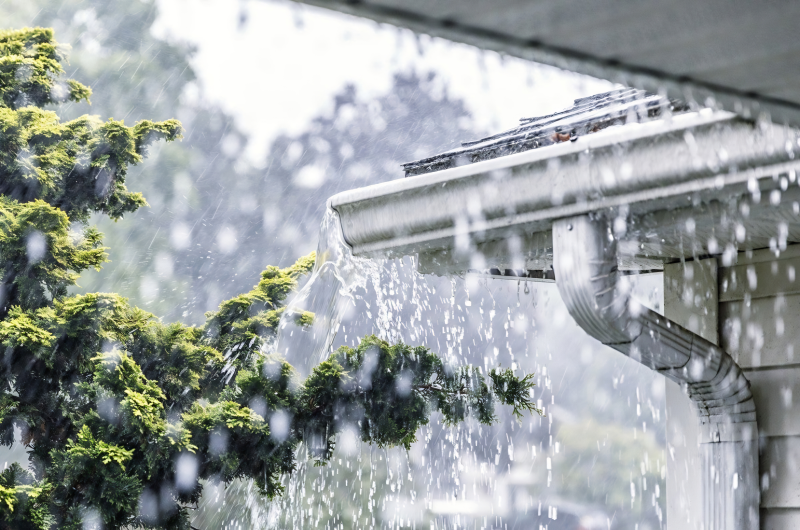
If you live in the San Lorenzo Valley, you don’t need a forecast to tell you that the rainy season is upon us. You see it in the creeks rising, road damage, and the forest in winter mode. Still, the data behind our rainy season tells a fascinating story as it relates to real estate.
Recently, I spent time reviewing more than a century of rainfall records from the San Lorenzo Valley Water District, with a closer look at how patterns from the past several decades compare. My goal was simple: to understand when winter weather tends to have the biggest impact here – and how that insight can help buyers and sellers of homes or land think more strategically about timing their next move.
Long-term averages show that December is typically the wettest month of the year in the San Lorenzo Valley. However, in more recent years, January and February often match or exceed December’s rainfall, and this is when winter conditions truly add up. With soils already saturated and storms arriving closer together conditions can become more challenging.
By the end of February, many recent years have already received 75–95% of their total annual rainfall, making late winter the most consequential stretch of the season – even when December delivered the largest single-month total.
What the current data shows is remarkably consistent:
- The rainy season reliably spans November through March
- The most impactful rainfall often occurs after the holidays, commonly in January, February, and sometimes March
- Some of the wettest years on record – including El Niño cycles – delivered 70 to more than 100 inches of rain, with peak saturation well into late winter
In contrast, December is often wet, but it frequently arrives before soils, slopes, and roads are fully saturated, and before cumulative impacts take hold.
The Real Estate Question I Hear Every Year
Around Thanksgiving, sellers often ask: “Should we take the property off the market for the holidays and relist after the rains?” It’s a fair question, especially in the mountains, where access, light, and curb appeal can change dramatically with weather.
But here’s the key insight the rainfall data supports:
Holidays ≠ Peak Rainfall
While Christmas and New Year’s fall within the rainy season, they are not consistently the wettest or most challenging period. Mid-January through early March is far more likely to bring:
- Prolonged storm cycles
- Muddy driveways and walkways
- Road closures and storm fatigue
- Properties not showing at their best
Meanwhile, the holidays offer something rainfall charts don’t measure: time and fewer competing listings.
During late December and early January, many buyers are:
- Off work
- Staying local rather than traveling
- Using downtime to reflect on lifestyle changes
- Touring properties they don’t have time to see the rest of the year
In the Santa Cruz Mountains especially, I often see buyers using the holidays to request private showings – not casual lookers, but people planning their next chapter.
A Smarter Strategy (Backed by Rainfall History)
For sellers who don’t need to step off the market, the data supports a more strategic approach:
- Stay active through the new year, when buyers have time
- Avoid pulling listings during peak winter saturation
- If a pause is needed, consider mid-January or later, when heavier rains are more likely
- Relaunch after a true break with better light, safer access, and refreshed presentation
This preserves momentum when buyers are available and avoids re-entering the market during the most challenging weather window of the year.
The Takeaway: Rain is seasonal. Opportunity is strategic.
It’s also worth noting that inventory is often lower during this time, as some sellers choose to step back to enjoy the holidays and limit public interruptions. For those who remain active, that quieter landscape can translate into less competition and more focused attention from serious buyers.
MaryBeth McLaughlin has lived and worked in the San Lorenzo Valley for decades. When she’s not helping people buy and sell homes and land in the Santa Cruz Mountains, she’s likely navigating a muddy driveway or explaining – sometimes with a rainfall chart – why timing matters just as much as price.

MaryBeth McLaughlin
MaryBeth McLaughlinis a local Realtor specializing in mountain and rural properties throughout the Santa Cruz Mountains. She brings humor, heart,and hard data to every transaction — and now to her new monthly column.